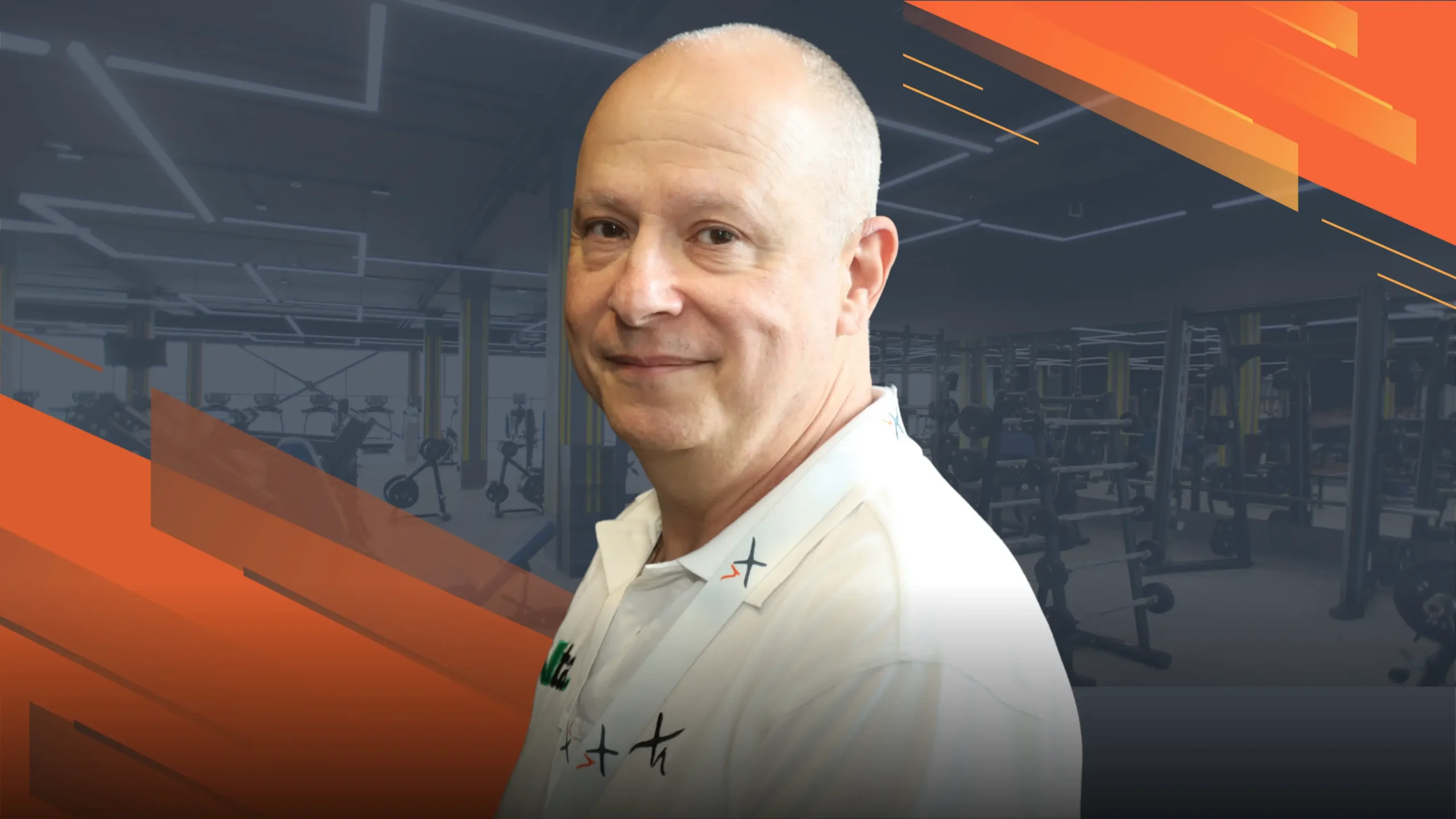
I recently had the privilege of speaking on an EVOLVE panel at ELEVATE 2026 panel, Every Visit, More Value – Maximise Revenue from Every Member.
As the discussion unfolded, we explored how operators can increase revenue without compromising the customer experience. It prompted me to challenge the audience with a different way of thinking.
Rather than asking:
“What else can we sell?”
Perhaps we should first ask:
“Where are we making life harder than it needs to be?”
That’s where the idea of Friction Tax was born.
Every Barrier Has a Cost
After the panel, the Xn team spent the rest of ELEVATE doing what they do best—listening.
Across conversations with leisure operators, universities, sports facilities, wellbeing hubs and gym operators, the same themes kept emerging.
- Complicated booking journeys
- Manual administration
- Time-consuming direct debit processes
- Communication gaps
- Disconnected systems
Although every organisation’s challenges were different, the underlying issue was often the same.
Unnecessary friction.
Every unnecessary barrier has a cost. It slows teams down, creates frustration, erodes trust and diverts people away from what matters most—delivering great customer experiences.
Every Visit Either Builds Trust or Spends It
Trust isn’t built through one big moment.
It’s built through hundreds of small ones.
- Every online booking
- Every payment
- Every email
- Every interaction with a member of staff
Every visit either builds trust or spends it.
When experiences are simple, customers feel confident.
When they’re confusing, inconsistent or unnecessarily complicated, trust starts to diminish.
The customer pays with frustration.
The organisation pays with lost trust, lost time and ultimately lost revenue.
Direct Debit Is the Perfect Example
Nobody joins a leisure facility because they’re excited about paying by direct debit.
But they absolutely notice when something goes wrong.
- A failed collection
- An unexpected payment
- A confusing communication
- A delay in resolving an issue
Behind the scenes, teams spend valuable hours checking reports, contacting customers, managing exceptions and resolving queries.
That’s time that could be spent supporting members, building relationships and creating memorable experiences.
The best direct debit process is one customers barely notice because everything simply works.
Removing friction here doesn’t just improve efficiency—it builds confidence in your organisation.
Technology Should Remove Effort, Not Create It
Technology should never become another layer of complexity.
Its role is to remove effort.
- Simplify
- Automate
- Give staff more time to focus on people instead of processes
As Xn continues to evolve, conversations with operators continue to shape what’s next. By listening to where friction exists, we’re investing in new capabilities—including AI—to reduce administrative burden, simplify everyday tasks and create smoother experiences for customers and staff alike.
Innovation isn’t about adding more features.
It’s about removing more friction.
Stop Asking What Else You Can Sell
The leisure sector rightly talks about growing secondary spend.
- Retail
- Recovery
- Nutrition
- Premium services
They’re all important.
But before introducing something new, ask yourself a different question.
Where are we already losing value?
Every unnecessary step in the customer journey is costing you.
- Every avoidable phone call
- Every manual process
- Every duplicated task
- Every moment a customer thinks:
“This is harder than it should be.”
That’s Friction Tax.
A Challenge for Every Operator
Walk through your customer journey as if you’ve never visited your facility before.
- Join online
- Book an activity
- Change a booking
- Receive a payment notification
- Resolve a failed direct debit
- Read your communications
- Stand in a queue
Then ask yourself:
- How many unnecessary steps are there?
- How many moments create confidence?
- How many create frustration?
Growth doesn’t always come from adding another product or service.
Sometimes it comes from removing the barriers that stop people enjoying the ones you already offer.
Before asking:
“What else can we sell?”
Ask:
“What could we make easier?”
Because every visit either builds trust or spends it.
And the organisations that remove the most friction will build the strongest relationships, create the best customer experiences and earn the greatest share of their customers’ wellbeing wallet.
What’s Next?
The next time you’re reviewing your leisure management system, don’t start by asking:
“What new features does it have?”
Instead, ask:
“How much Friction Tax could it remove?”
Leisure Hub has continued to evolve, helping Xn customers reduce Friction Tax across the entire customer journey—from bookings and payments to communications, automation and everyday operations.
While you’re exploring the latest innovations, take a look at Ticket Hub. It’s a great example of turning a traditionally manual process into a simple self-service experience, reducing queues, improving the customer journey and helping operators protect revenue through advance bookings.