How Xn Leisure’s Head of R&D, Mark Morris, approaches product development in a sector where simplicity and reliability matter more than ever
Running a leisure operation today means balancing demand, resource and expectation all at once.
Whether you are managing multiple leisure centres, lidos, health and fitness clubs or community venues, the pressure is consistent.
In that environment, systems are expected to do more than function. They need to support teams, reduce friction and work reliably day to day.
And while there is increasing focus on innovation and AI, the reality is more grounded.
When the basics don’t work, everything else becomes harder.
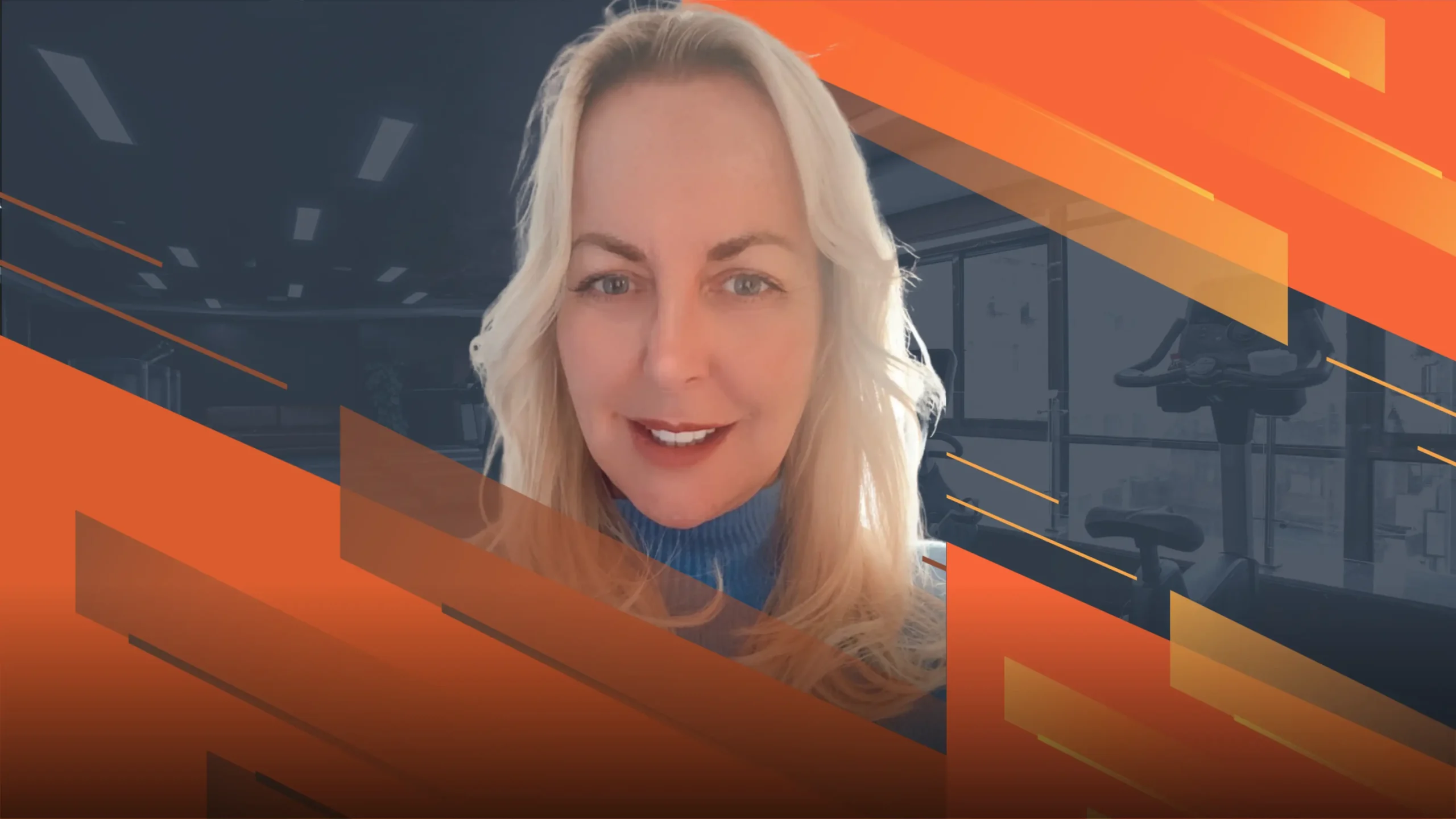
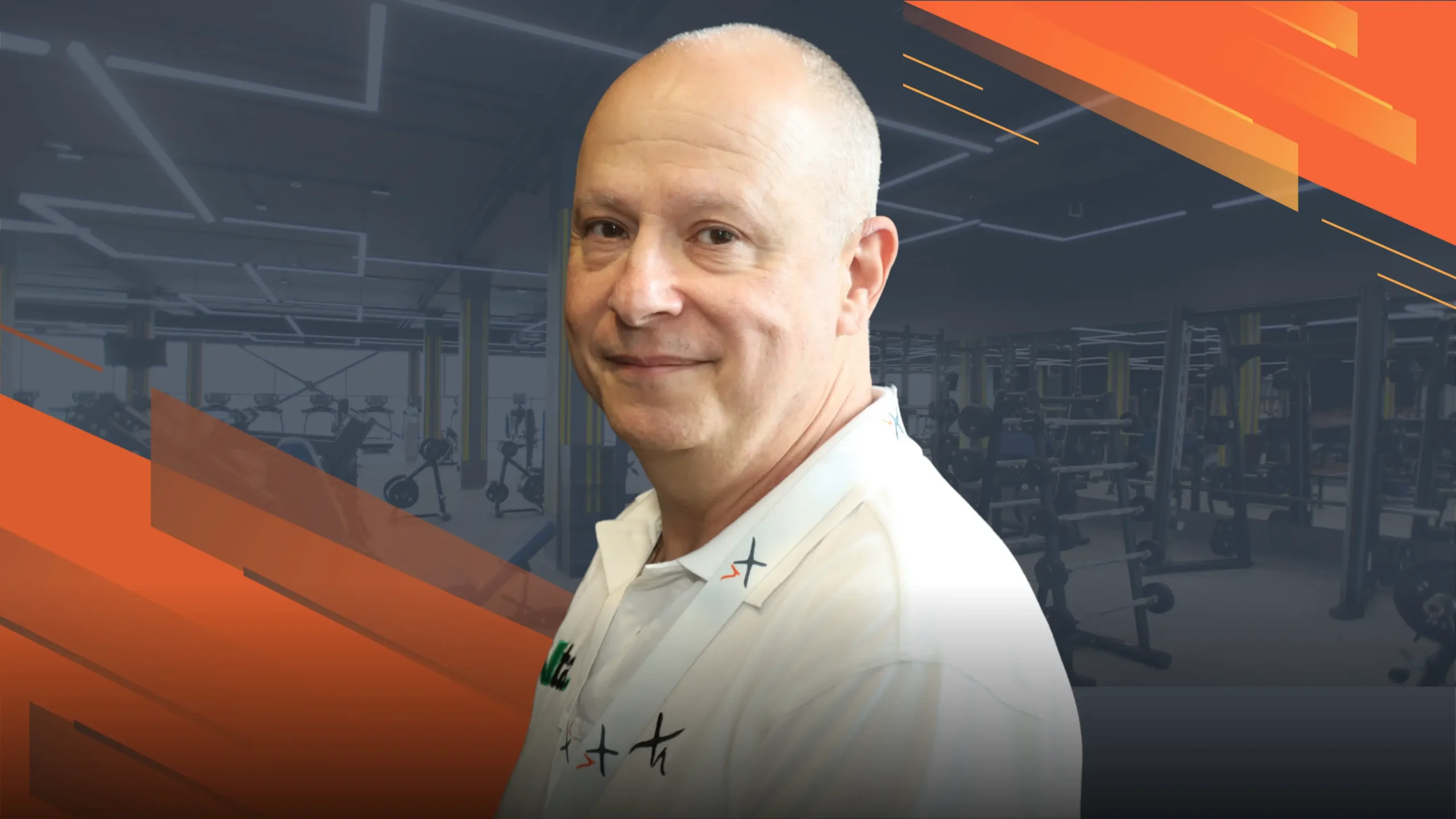
Lesley Aitken caught up with Mark Morris, Head of R&D at Xn Leisure, someone you might not see often but who plays a key role in shaping how software fits into day to day operations.
Built Around How Venues Actually Run
Mark leads the teams responsible for building and maintaining Xn’s products across development and quality assurance.
“Most of my time is spent helping teams deliver their sprints and working closely with product on the roadmap and what’s coming next.”
The role is not just about delivery, but about making sure what is delivered fits.
“We make sure we’re building the right features and delivering them with the quality and pace that’s expected.”
The focus stays close to how venues operate in practice, not how systems might be designed in isolation.
Where Simplicity Matters Most
In busy environments, complexity tends to surface quickly.
More steps. More workarounds. More reliance on staff to bridge gaps.
Mark is clear on the trade off:
“There’s no point building something clever if it creates more work for operators or adds friction for customers.”
This is where simplicity and reliability become less of a feature and more of a requirement.
“We spend a lot of time making sure what we deliver fits into how venues actually run day to day.”
The aim is not to simplify for its own sake but to remove points of friction that slow teams down or affect the customer experience.
The Day to Day Reality for Operators
Across the sector, many of the same patterns appear.
Demand increases at peak times.
Resources are stretched.
Expectations from customers remain high.
This is consistent across leisure centres, lidos, health and fitness clubs and community venues.
In that context, systems either support the operation or add to the pressure.
When booking, payment and access work as expected, the difference is noticeable.
Queues move more steadily.
Staff spend less time resolving issues.
Customer feedback is more positive, with a more seamless experience.
The experience is more consistent day to day.
Balancing Innovation with Practical Use
Innovation continues to move quickly, particularly with the growth of AI.
But within leisure operations, the value of any new capability is measured in how it works in practice.
Mark describes his role simply:
“Exploring the possible, delivering the practical.”
New ideas are only useful when they translate into something that fits into existing workflows and supports the people using them.
Where to Focus
For operators reviewing their systems, the starting point is often straightforward.
“Focus on the basics and get them right. Make it easy for customers to book, pay and access your services.”
When those areas work consistently, the wider operation tends to follow.
Looking ahead, there is also an awareness that AI will become more relevant.
“Be ready to embrace AI, it’s only going to become more important.”
But as with any change, it is most effective when built on stable foundations.
A Final Thought
Not every role in a software company is visible.
But the decisions made behind the scenes shape how systems behave in real environments.
And in a sector where day to day delivery matters, that difference is often felt in the details.
Make the Basics Work Better
If your current systems are creating friction for your team or your customers, it is worth taking a step back.
Whether you are reviewing your current leisure management system or starting new, the starting point is usually the same.
- Booking and payment journeys that are easy to use
- Less manual admin for teams
- A more consistent experience for customers
Explore how Xn supports leisure operators.
Book a discovery conversation with the team